Norfolk Locksmith Service Team
Local locksmith team
Sep 23, 2026 12 min read
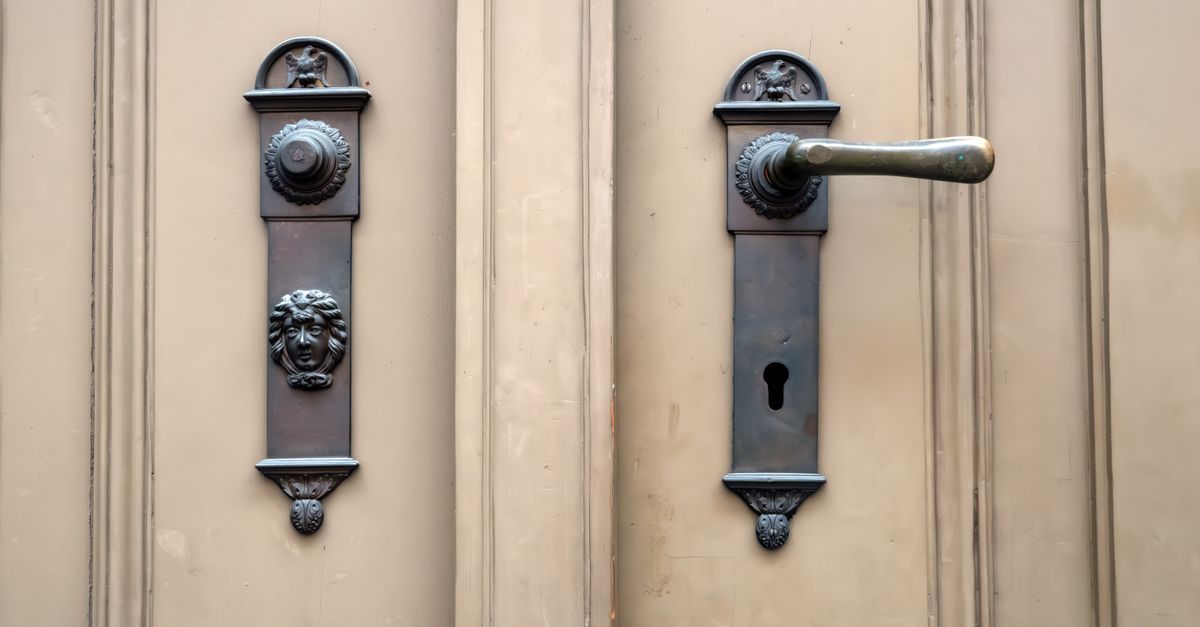
Walk through the historic streets of Ghent, Colonial Place, or Larchmont and you'll notice something the newer subdivisions don't have: thick, heavy doors with hardware that looks like it belongs in a museum — because in many cases, it does. Norfolk's older neighborhoods are full of homes built between the 1920s and 1970s, and a surprising number of them still have their original mortise lock sets. The problem is that most homeowners have no idea which type of lock is actually in their door until something goes wrong. Knowing the difference between a mortise lock and a modern cylindrical lock is more than trivia — it determines who can fix it, how long the repair takes, and what parts are needed.
This guide is for Norfolk homeowners who want a straight answer. We'll show you exactly how to tell which lock you have, explain why that matters when you need a repair or replacement, and walk through the specific scenarios where calling a professional locksmith — rather than a big-box hardware store run — is the smarter move. Whether your door feels stiff, your key stopped turning, or you're simply planning ahead, this is the information you actually need.
## What Is a Mortise Lock — and Why Do So Many Norfolk Homes Still Have One?
A mortise lock is a locking mechanism that fits inside a deep, rectangular pocket — called a mortise — cut directly into the edge of the door. Unlike a standard cylindrical lock (the knob or lever set you'd find at any hardware store), a mortise lock set is a self-contained unit that houses the latch, the deadbolt, and sometimes a privacy function all in a single metal body inside the door. The exterior keyway and interior thumbturn connect to this internal mechanism through a mortise lock cylinder, which is a separate, removable component. The result is a lock that is mechanically robust, deeply integrated into the door structure, and — when properly maintained — extremely secure.
Norfolk's housing stock tells the story clearly. Neighborhoods like Riverview, Willoughby, and the historic core of Downtown Norfolk are full of Craftsman bungalows, Colonial Revivals, and mid-century brick homes. Many of these were built when mortise lock sets were the industry standard for exterior doors, and they were made to last. Manufacturers like Corbin Russwin produced mortise hardware that has genuinely outlasted multiple generations of homeowners. A Corbin Russwin mortise lock from 1955 is still findable, still rebuildable, and still functional — which is remarkable. The catch is that servicing one requires a different skill set than swapping out a Kwikset knob set.
## How to Tell Which Lock Is in Your Door Right Now
You do not need to remove anything or call anyone to figure out what kind of lock you have. Start at the edge of your door — the narrow strip of wood visible when the door is open. If you see a faceplate that is roughly 7 to 8 inches tall (sometimes taller), with both a latch bolt and a deadbolt visible through the same long metal plate, you almost certainly have a mortise lock. The faceplate will often have two openings stacked vertically. Now look at the door knob or lever on the face of the door: if it is connected to a separate, visibly thick escutcheon plate (the decorative plate behind the hardware), and the knob or lever appears to be more of a trim piece than the lock itself, that confirms a mortise set. The actual locking work happens inside the door, not in the knob.
A cylindrical lock — the kind sold at Lowe's and Home Depot — tells a completely different story. The faceplate on the door edge will be small and round or a short rectangle, showing only a single latch bolt. The deadbolt, if there is one, is a completely separate unit installed a few inches above or below the knob. The knob or lever IS the lock housing; the cylinder sits directly in the knob. If you can see a circular hole in the door face (usually about 2-1/8 inches in diameter) where the knob passes through, you have a cylindrical lock. These are the locks that take standard Schlage or Kwikset replacement parts and can often be re-keyed in minutes. Mortise locks require a trained locksmith who knows the specific internal mechanism — which is why identifying yours early matters.
## Why the Lock Type Changes Everything About Repairs and Replacements
Here is the practical reality: if you call about a door knob lock problem and it turns out you have a mortise set, the parts, the labor, and the timeline are all different from what a cylindrical lock job would require. Mortise lock cylinders — the removable keyway insert — come in specific formats (Corbin Russwin, Yale, Sargent, Baldwin mortise lock profiles among them) and are not interchangeable between brands the way cylindrical lock cylinders often are. A Baldwin mortise lock, for instance, uses a specific cylinder format that must be matched precisely. If a locksmith shows up without the right cylinder, the job cannot be completed that visit. An experienced mobile locksmith will ask the right diagnostic questions before arriving — or will carry a range of common mortise cylinders — precisely to avoid this problem.
Replacement is where the stakes get higher. A direct mortise lock replacement means sourcing a unit that fits the existing mortise pocket in your door. The pocket dimensions — height, width, and depth — were cut for the original lock body. If a replacement unit is even slightly larger, it requires additional woodwork. If it is smaller, the faceplate gap leaves the door edge exposed. Smart mortise lock options now exist that add electronic access or keypad entry to a mortise-format body, which can be a compelling upgrade for older Norfolk homes — but installation still requires precise measurement and the right professional. The bottom line: a competent locksmith treats a mortise job as a custom fit, not a commodity swap. If you are not sure what you have, call us at (757) 654-1145 before you buy any hardware — we can identify your lock type over the phone and advise you on compatible options before anyone spends money on the wrong part.
## Emergency Locksmith Situations: Mortise Locks and What to Expect
Lockouts happen, and in an older Norfolk neighborhood at 11 PM, the situation is made more complicated if your door has a mortise lock set. The internal mechanism can jam, the mortise lock cylinder can seize from years of dry weather and coastal humidity, or the tailpiece connecting the cylinder to the lock body can shear — all of which produce a lockout that looks identical from the outside but requires different solutions. As an emergency locksmith serving Norfolk around the clock, we encounter all three scenarios regularly. The first and most important step for any homeowner in a lockout is to check every other legitimate point of entry: a side door, a garage entry, a window you know is unlocked, or a spare key held by a neighbor or family member. Never attempt to force a mortise lock set — the mechanism is embedded in the door structure and forcing it can split the door stile, which turns a locksmith call into a carpentry project.
When you do call for emergency locksmith service, the response timeline, the tools needed, and the final scope of work all factor into the price you will be quoted. For mortise lock work specifically, the lock type, the specific cylinder or mechanism involved, the time of day, travel distance to your Norfolk address, and whether any specialized parts are needed all influence the final number. We confirm an exact up-front price before any work begins — no surprises after the job is done. What never changes is the response: our team is mobile and available 24/7 across Norfolk, from the Oceanview waterfront to the neighborhoods near Naval Station Norfolk.
## Making the Right Call: Repair, Rekey, or Upgrade Your Norfolk Door Lock
Once you know what type of lock is in your door, you can make a genuinely informed decision. For a mortise lock in good mechanical shape — common in well-maintained older Norfolk homes — a rekey of the mortise lock cylinder is often the most practical move after a change of occupancy or a lost key. Rekeying changes the internal pin configuration so old keys no longer work, without replacing any hardware. For a mortise set that is stiff, difficult to operate, or intermittently failing, a professional servicing (disassembly, cleaning, lubrication, and adjustment) often restores years of reliable function to hardware that would cost significantly more to fully replace. For cylindrical locks, the math is different: parts are inexpensive and widely available, so replacement is sometimes more economical than repair. Your locksmith should walk you through both options with honest guidance — that is the standard we hold ourselves to on every job.
For homeowners considering an upgrade, the landscape has genuinely expanded. A smart mortise lock integrates electronic access into the same door pocket as your existing hardware, preserving the look of an older home while adding keypad, app, or fob entry. These are real solutions for Norfolk homeowners who want modern convenience without replacing their original door or frame. Commercial-grade mortise sets from established hardware lines are also an option for those who want a mechanical upgrade without electronics. Whatever direction makes sense for your situation, the starting point is understanding what you have — and having a locksmith who can work with it. Call Norfolk Locksmith at (757) 654-1145 any time of day or night. We answer every call, we work across all of Norfolk's neighborhoods, and we bring the expertise to handle mortise lock sets, cylindrical hardware, smart locks, and everything in between.
## Norfolk Locksmith Services: A Complete List of What We Handle
Our mobile team provides the following services across Norfolk, VA and the surrounding area: residential lockout assistance, commercial lockout response, mortise lock repair and servicing, mortise lock cylinder replacement and rekeying, cylindrical lock installation and replacement, deadbolt installation for exterior doors, smart lock installation and programming, lock rekeying after move-in or key loss, master key system design and installation, high-security lock upgrades, door knob lock replacement, lever handle lock installation, sliding door lock repair, patio door lock replacement, window lock installation, mailbox lock replacement, storage unit lock service, padlock service and replacement, safe opening and combination changes, car lockout response, automotive key cutting and programming, transponder key replacement, key fob repair and replacement, ignition lock cylinder service, broken key extraction from door locks and ignition, lock hardware consultation for older and historic homes, emergency board-up coordination after forced entry, access control system consultation, peephole installation, and door hardware alignment and adjustment for sticking or misaligned doors.
Frequently asked questions
What is a mortise lock and how is it different from a regular door knob lock?+
A mortise lock is a locking mechanism that is installed inside a deep pocket cut into the door itself, rather than sitting in a bored hole in the face of the door the way a standard cylindrical door knob lock does. The mortise lock set houses the latch, deadbolt, and often a privacy function in a single internal body. The knob or lever on the outside is trim, not the lock itself — the actual security work happens inside the door. A cylindrical door knob lock, by contrast, is a self-contained unit where the knob IS the lock housing. Mortise locks are more common in homes built before the 1970s, are generally more mechanically complex, and require a trained locksmith for repair and replacement.
How much does an emergency locksmith cost near me in Norfolk, VA?+
The final price for emergency locksmith service depends on several specific factors: the type of lock involved (mortise lock sets and high-security hardware typically require more time and specialized parts than a standard cylindrical lock), the time of day the call comes in, the travel distance to your address in Norfolk, and whether any replacement parts are needed on the spot. We always confirm an exact price before any work begins so there are no surprises. The best way to get an accurate number for your specific situation is to call us at (757) 654-1145 — we can assess your lock type, your location, and the scope of work and give you a clear answer right away.
What is a locksmith call-out fee and does Norfolk Locksmith charge one?+
A call-out fee — sometimes called a service call fee or dispatch fee — is a base charge some locksmiths apply just for traveling to your location, separate from the cost of the actual work. Policies vary widely. When you call us at (757) 654-1145, we will be transparent about how our pricing is structured for your specific job before we dispatch. We factor in travel distance, time of day, and the nature of the service needed, and we give you a confirmed price upfront. Our goal is that you know exactly what you are agreeing to before anyone touches your lock.
Can a smart mortise lock be installed in an older Norfolk home without changing the door?+
In most cases, yes — and it is one of the more practical upgrades available for older homes in neighborhoods like Ghent or Colonial Place. A smart mortise lock is designed to fit the same internal pocket that a traditional mortise lock set occupies. As long as the pocket dimensions are compatible with the new unit (which a locksmith will measure before recommending a model), the installation does not require cutting a new hole or modifying the door face. The result is electronic keypad, app, or fob access with the same external footprint as the original hardware. The key variable is compatibility: mortise pocket dimensions vary, so the selection of the right unit is a job for an experienced locksmith, not a guesswork hardware-store purchase. Call us at (757) 654-1145 and we can assess your existing door and recommend compatible options.