Norfolk Locksmith Service Team
Local locksmith team
Apr 22, 2026 10 min read
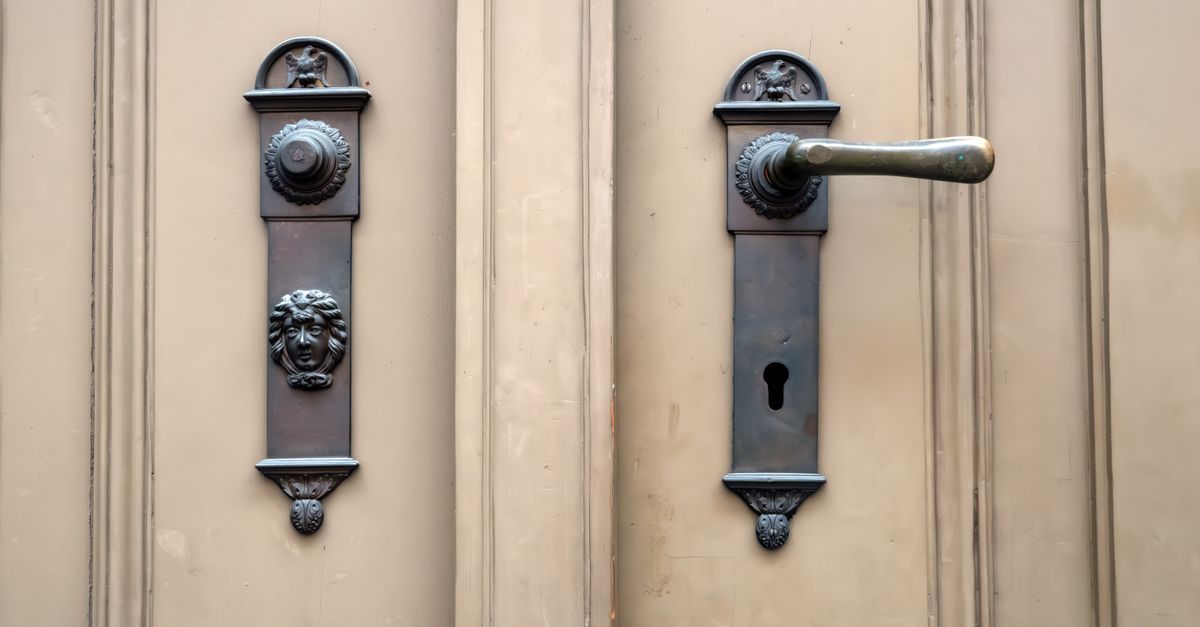
If you own a home in Ghent or Colonial Place, you already know that the character of your house lives in its details — the plaster medallions, the wide-plank floors, the original Craftsman woodwork, and yes, those heavy mortise locks that have been turning in their pockets since Woodrow Wilson was in office. The problem is that 'charming' and 'secure' don't always feel like they belong in the same sentence when your century-old hardware is the only thing standing between your family and an unlocked door. The good news: you don't have to choose.
Modernizing security in a historic Norfolk home is genuinely possible without gutting the aesthetic that made you fall in love with the place. The key is understanding what you actually have, what can be upgraded inside the existing hardware, and when a skilled locksmith can do the work in a way that leaves your trim, your door stiles, and your street-facing curb appeal completely intact. This guide walks you through exactly that — written for Ghent and Colonial Place homeowners who want real answers, not a sales pitch.
## What Makes a Mortise Lock Different — and Why Ghent Homes Are Full of Them
A mortise lock is a self-contained unit that drops into a precisely routed pocket — the 'mortise' — cut into the edge of a door. Unlike a standard cylindrical lock that bores a single hole through the door face, the mortise lock sits deep inside the door body and typically combines a deadbolt, latch, and sometimes a privacy function into one elegant case. That engineering is why they're so durable: a quality mortise lock from the early 1900s, properly maintained, can outlast several generations of hollow-core door knob locks. Homes along Colley Avenue, West Princess Anne Road, and the numbered streets threading through Colonial Place are packed with original mortise hardware — and much of it is still functional.
The most common antique units you'll encounter in Norfolk's historic stock are Corbin mortise locks, along with similar period hardware from other American manufacturers. A Corbin antique mortise lock is identifiable by its cast-iron or brass case, skeleton-key profile, and the distinctive face plate mortised flush into the door edge. The cylinder — the part the key actually engages — on many of these old units is either worn, re-keyed multiple times over decades, or simply no longer secure by modern standards. That cylinder is almost always the first thing a trained locksmith will assess, and it's often the only thing that needs to change.
## Upgrading the Cylinder: The Smart First Step for Antique Mortise Lock Security
The single highest-impact, lowest-disruption upgrade you can make to a historic mortise lock is a cylinder replacement. Most antique mortise lock bodies accept a standard mortise cylinder that threads directly into the existing case — no cutting, no routing, no damage to the door or surrounding trim. A skilled locksmith can swap a worn or skeleton-key cylinder for a modern high-security cylinder (Medeco, Mul-T-Lock, and similar formats fit many period cases) in under an hour, leaving the original brass escutcheon, knob, and face plate exactly as they were. If you've ever wondered how to change the cylinder in a door lock without destroying the surrounding woodwork, this is the answer: it almost always threads out from the face with a set screw and a specialty wrench — a job for a professional who works with mortise hardware regularly, not a weekend project.
Before any cylinder is ordered or installed, a good locksmith will measure the existing mortise cylinder tailpiece length and cam orientation to ensure the new unit operates the lock case correctly. Get this wrong and the lock won't retract the bolt. This is also the moment to ask about master-keying — if you have multiple historic doors in the house, a trained locksmith can often key them to a single modern key while retaining each door's original exterior appearance. If you're in Ghent and you're not sure what you have, call (757) 654-1145 and we can walk you through it before you commit to anything.
## Smart Locks and Historic Doors: Where Technology Fits Without Looking Wrong
One of the most common questions we hear from Colonial Place homeowners is whether a smart lock can work on a door that has a mortise pocket and a 100-year-old stile. The short answer is: sometimes, and only if the approach is right. Retrofit smart cylinder options exist that thread into a standard mortise body and add Bluetooth or Z-Wave connectivity without changing any exterior hardware at all — the outside of your door looks identical to the day the house was built. These units typically run on batteries inside the interior rose or thumb-turn assembly. Unlike the battery-change process on a modern deadbolt (where you might wonder how to change batteries in an August lock or a similar consumer device with an app-guided swap), mortise-based smart cylinders often require removing the interior escutcheon — straightforward, but worth knowing before you install one.
If a full smart lock integration is the goal and the door's existing mortise pocket won't accommodate it cleanly, a professional locksmith can assess whether a sympathetic surface-mount solution is workable, or whether staying with a high-security keyed cylinder is the smarter long-term play for that particular door. We never push hardware that doesn't suit the opening — and we confirm the exact scope and price before any work begins, so you know what you're agreeing to. Factors that shape the final cost include the cylinder or lock format you choose, the condition of the existing mortise case, any parts that need sourcing, and travel distance to your home. There are no surprise charges after the fact.
## When the Lock Body Itself Needs Work — Mortise Repair and Replacement in Historic Doors
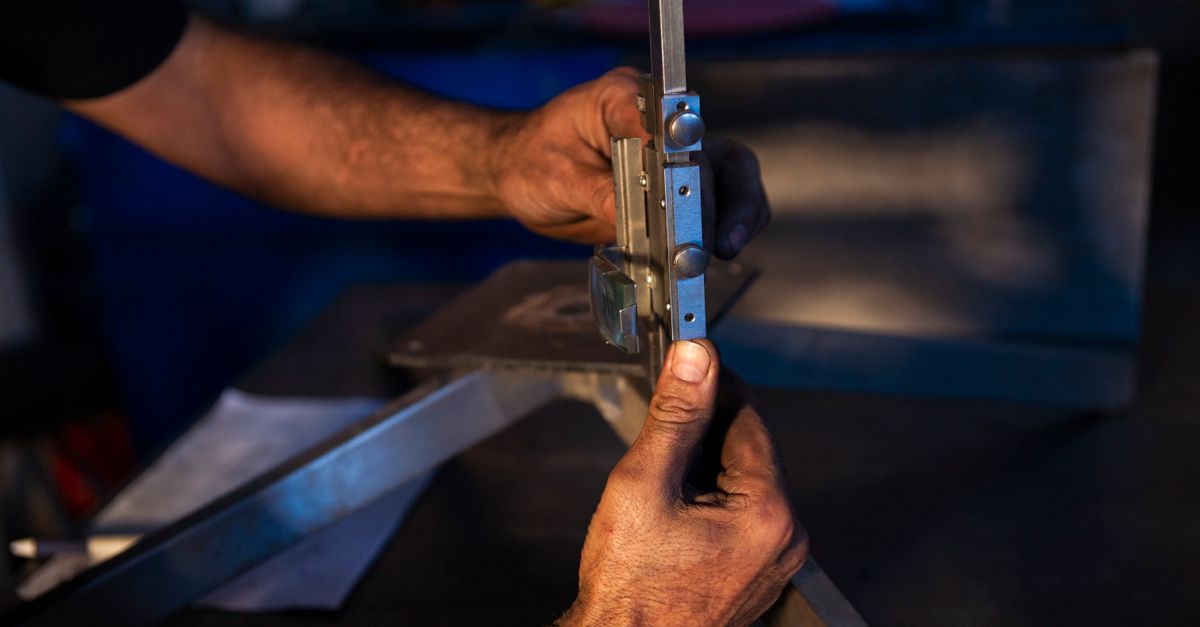
Sometimes the cylinder isn't the only issue. Mortise lock cases can develop worn springs, broken cam followers, or corroded bolt mechanisms after decades of use. In many cases, a locksmith experienced with period hardware can service the internal mechanism — cleaning, lubricating, and replacing small internal parts — restoring smooth function without touching the door. When a case is genuinely beyond service, the challenge becomes finding a replacement that fits the existing mortise pocket exactly. Cutting a new or larger mortise to fit a modern lock body is possible, but it's a job that must be done with a router and a steady hand — not a hammer and chisel — and only by someone who understands how to cut a mortise lock in a door without compromising the structural integrity of a historic stile.
For doors where the mortise pocket is a non-standard size (common in pre-1920 construction), we source period-correct replacement cases or have existing cases rebuilt by a specialist. We also handle situations where a homeowner has purchased a home and discovered that the locks were never properly re-keyed after the sale — a more common and more serious issue in Ghent's rental-conversion buildings than most people realize. If you've recently moved into a home on Spotswood Avenue or anywhere in the historic district and aren't certain how many copies of your key are floating around, calling a locksmith for a re-key or cylinder swap is the single most important security step you can take, and it can usually be done the same day. Our team is available around the clock — if you find yourself in an urgent situation, reach us any time at (757) 654-1145.
## Keeping the Whole Picture: Door Knob Locks, Entry Systems, and Period-Correct Hardware
Mortise lock work rarely happens in isolation. A full security assessment of a historic home should also look at the door knob lock sets on interior doors, the condition of strike plates (many original strikes are too shallow for modern bolt throw standards), the integrity of door frames and jambs, and whether secondary entry points like rear doors and basement hatches have been updated. Colonial Place and Ghent homes often have original back doors with mortise hardware that's been ignored for years while the front door got all the attention — and a skilled locksmith will flag that gap clearly.
For homeowners who want a fully coordinated look, there are period-appropriate hardware lines that pair mortise lock internals with Arts and Crafts or Victorian exterior trim in solid brass or bronze — so even upgraded hardware reads as authentic from the street. We can advise on hardware selection, source what's needed, and handle full installation. Whether the project is a single cylinder swap, a whole-house re-key, a smart lock retrofit, or a comprehensive security review of a historic property, the work is carried out by experienced, insured professionals who treat your original woodwork with the same care you do.
Frequently asked questions
Can I replace just the cylinder in my old Corbin antique mortise lock without replacing the whole unit?+
In most cases, yes. The Corbin mortise lock and similar period hardware was designed with a removable cylinder secured by a set screw on the face plate. A locksmith experienced with antique mortise hardware can unthread the existing cylinder and install a modern high-security replacement that fits the same pocket — no damage to the door, trim, or original case. The key is confirming the cylinder diameter and tailpiece length before ordering parts. If you have an original Corbin antique mortise lock and want to know your options, we can assess it on-site and give you an exact quote before any work is done.
How much does an emergency locksmith cost for a historic home lockout in Norfolk?+
The final cost depends on several factors: the type of lock involved (a modern cylindrical lock is faster to work with than an antique mortise lock with a skeleton-key profile), the time of day you call, travel distance to your location, and whether any parts need to be sourced. What we always do before starting any work is confirm an exact up-front price — no guessing, no surprise invoice at the end. A locksmith call-out for a Ghent or Colonial Place home will reflect the complexity of working with period hardware if that's what's on your door, and we'll tell you that clearly before we begin.
What is a locksmith call-out fee and will I be charged one even if the job is simple?+
A call-out fee is a base charge that covers a locksmith's travel and availability — it exists separately from the labor or parts cost of the actual job. Not every locksmith structures pricing the same way. What matters most is that you know the total cost before work begins, not after. When you call us, we ask the right questions about your lock type, door style, and location so we can give you a complete, honest price upfront. For historic homes with mortise hardware, we factor in the time and skill that work requires — and we never pad a quote with vague line items.
Is Norfolk, Virginia a good area for historic home ownership, and are older locks really a security risk?+
Norfolk is genuinely one of the most underrated cities on the East Coast for historic architecture — Ghent in particular has a remarkable concentration of intact early-twentieth-century homes, and the neighborhood's walkability and proximity to the Hague make it a strong long-term investment. On the security question: original mortise locks are actually robust mechanical devices, but their weak point is almost always the cylinder. Skeleton-key cylinders offer virtually no pick or bump resistance by modern standards, and after decades of use, worn keyways accept a surprisingly wide range of keys. Upgrading the cylinder while keeping the original case is a straightforward fix that dramatically improves security without compromising historic character — and it's one of the most common jobs we do in the area.